You started on Treatwell because it felt like the smart move. Instant bookings, built-in client base, no website headaches. But somewhere between the commission fees and the constant competition for visibility, you’ve started wondering: Is this really helping my massage business grow?
If you’re questioning whether Treatwell is still serving you, you’re not alone. Many successful massage therapists reach a tipping point where the platform that once felt like a lifeline starts feeling more like a leash.
Here are five clear signs it might be time to leave Treatwell and build your independent massage practice.
Sign #1: The Commission Fees Are Eating Your Profits
Let’s talk numbers. Treatwell takes a significant chunk of every booking — typically 15-20% depending on your agreement. For a £60 massage, that’s £9-12 straight off the top. Before you’ve even factored in your room rental, supplies, or business expenses.
The Hidden Cost of “Free” Clients
Those Treatwell clients aren’t really free. You’re paying for every single one through commission fees. A therapist doing 20 treatments per week at £60 each loses £180-240 weekly to Treatwell. That’s nearly £10,000 per year.
Money that could go toward:
- Better equipment and supplies
- Professional development courses
- Marketing your own brand
- Building a proper emergency fund
When commission fees start feeling like a second rent payment, it’s time to seriously consider going independent.
Sign #2: You’re Competing on Price, Not Value
Treatwell’s marketplace structure inevitably pushes therapists into price competition. Clients browse by location and price, often choosing whoever’s cheapest. Your years of training and specialised techniques? Invisible.
The Race to the Bottom
You’ve probably seen it happen. New therapists join Treatwell offering £35 massages to attract clients. Established therapists feel pressure to drop their rates to stay competitive. Everyone’s margins shrink.
This creates a vicious cycle where:
- Therapists undervalue their services
- Clients expect bargain prices
- Quality becomes secondary to cost
- Professional growth stagnates
Your Expertise Deserves Better
When you have your own platform, you control the narrative. You can showcase your qualifications, explain your approach, and attract clients who value quality over discounts. Your booking page becomes a place where expertise matters more than being £5 cheaper than the therapist down the road.
Sign #3: You Have Zero Control Over Your Client Relationships
Treatwell owns the client relationship, not you. They have the email addresses, booking history, and communication channels. You’re essentially renting access to clients rather than building your own practice.
The Platform Dependency Trap
Consider what happens if:
- Treatwell changes their algorithm (sound familiar?)
- They increase commission rates
- Technical issues prevent bookings
- They decide to promote competitors over you
You’re entirely at their mercy. No client database to fall back on. No direct communication channel. No way to pivot if things go wrong.
Building Real Relationships
Independent therapists can:
- Send personalised follow-up emails
- Create loyalty programmes
- Share health tips and self-care advice
- Build genuine connections that last years
These relationships become the foundation of a sustainable practice, not just a series of one-off bookings.
Sign #4: Your Brand Is Invisible
On Treatwell, you’re just another profile in a sea of therapists. Your unique approach, personality, and expertise get lost in a standardised format that makes everyone look the same.
The Generic Profile Problem
Treatwell profiles are limiting:
- Restricted photo options
- Standardised descriptions
- No room for storytelling
- Minimal space for qualifications
- Generic booking experience
Clients book a “massage therapist,” not you specifically.
Your Story Matters
Every successful massage therapist has a story. Maybe you specialised in sports massage after your own injury recovery. Perhaps you discovered the power of aromatherapy during a difficult personal period. These stories connect with clients on a human level.
With your own website, you can:
- Share your journey and qualifications
- Explain your treatment philosophy
- Showcase client testimonials prominently
- Create content that demonstrates expertise
- Build trust before clients even book
Sign #5: You’re Ready to Scale Beyond Individual Treatments
Treatwell works fine for therapists who want to stay small. But if you have bigger ambitions — multiple treatment rooms, additional therapists, workshops, or product sales — the platform becomes a constraint rather than a tool.
The Growth Ceiling
Treatwell’s model assumes you’re a solo practitioner offering standard treatments. It doesn’t accommodate:
- Package deals and treatment series
- Workshop bookings
- Product sales
- Gift certificate programmes
- Referral systems
- Multiple practitioner scheduling
Independence Enables Innovation
With your own booking system and website, you can:
- Create treatment packages that encourage regular bookings
- Sell products that complement your services
- Offer online consultations or follow-up calls
- Develop signature treatments unique to your practice
- Build partnerships with other health professionals
Making the Transition: Your Independence Roadmap
Recognising these signs is the first step. But how do you actually make the move without losing clients or income?
Start Building While You’re Still on Treatwell
Don’t quit cold turkey. Begin building your independent presence while maintaining your Treatwell bookings:
The Technical Side Doesn’t Have to Be Overwhelming
Many therapists avoid going independent because they’re intimidated by websites, booking systems, and online marketing. But you don’t need to become a tech expert overnight.
Modern solutions handle the technical complexity while you focus on what you do best — helping clients feel better.
Plan Your Financial Transition
Calculate what you’re actually earning after Treatwell’s commissions. Factor in the time you spend managing multiple platform bookings. Often, therapists find they need fewer total clients when they keep 100% of their fees and can charge appropriately for their expertise.
Your Practice, Your Rules
Leaving Treatwell isn’t about rejecting online booking platforms entirely. It’s about taking control of your professional future. Building something that belongs to you. Creating a practice that reflects your values and expertise.
The therapists who make this transition successfully don’t just earn more — they enjoy their work more. They attract clients who value their expertise. They build relationships that last years, not just single sessions.
Ready to Take Control of Your Practice?
If these signs resonate with you, it might be time to explore what independence could look like for your massage practice. The transition doesn’t have to be complicated or overwhelming.
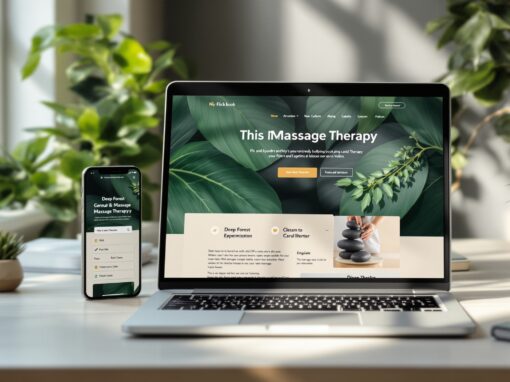
We specialise in helping massage therapists build professional, profitable independent practices. From custom websites to automated booking systems, we handle the technical side so you can focus on your clients.
Book a free consultation to discuss how we can help you transition from platform dependency to practice ownership. Your expertise deserves a platform that showcases it properly.
—
This content is for educational purposes and reflects general business considerations for massage therapists. Individual circumstances vary, and we recommend consulting with business advisors for specific guidance.