You see the word ‘free’ and think you’ve found the perfect solution for your massage practice. No upfront costs, instant access to clients, professional-looking booking system. What’s not to love?
The reality hits differently when you’re three years in, watching 20-30% of every booking disappear into commission fees. When clients book your competitor because the platform promoted them over you. When you realise you don’t actually own your client relationships.
Let’s break down what these ‘free’ massage booking platforms actually cost you — and why understanding these numbers could transform your business.
The Commission Trap: Where Your Profits Really Go
Most massage therapists focus on their hourly rate and forget about the slice that gets taken before the money hits their account.
Treatwell charges 35% commission on every booking. Fresha takes 6-8% on card payments plus additional fees for premium features. Urban starts at 20% and can climb higher depending on your location and service type.
The Real Numbers
Let’s say you charge £60 for a 60-minute massage and complete 20 bookings per week through a platform charging 20% commission:
- Weekly bookings: 20 × £60 = £1,200
- Platform commission: £1,200 × 20% = £240
- Your actual income: £960
That’s £240 per week — £12,480 per year — going straight to the platform. Not counting payment processing fees, which add another 2-3%.
For many therapists, that commission represents their entire rent budget. Or equipment upgrades. Or the holiday they’ve been putting off for three years.
The Client Ownership Problem
Here’s something most therapists don’t realise until it’s too late: you don’t own your client relationships on these platforms.
You’re Renting Your Clients
When someone books through Treatwell or Fresha, they’re the platform’s client first, yours second. The platform controls:
- How clients contact you
- What information you can collect
- How you can market to them
- Whether they see your competitors’ offers first
One therapist in Manchester told me she lost 40% of her regular clients when she tried to move off a booking platform. They’d been booking through the app for two years and didn’t even have her direct contact details.
The Algorithm Game
These platforms use algorithms to decide which therapists get shown to potential clients. Factors that might work against you:
- Lower commission tier
- Fewer platform-generated reviews
- Not purchasing premium placement
- Competing with therapists offering lower prices
You could be the best massage therapist in your area, but if the algorithm doesn’t favour you that week, your bookings dry up. And there’s nothing you can do about it.
The Hidden Fee Structure
The commission is just the beginning. Most platforms layer on additional costs:
Payment Processing Fees
- Card processing: 2-3% per transaction
- Refund fees: £0.50-£2.00 per refund
- Chargeback fees: £15-£25 per dispute
Premium Feature Costs
- Priority listing: £50-£200 per month
- Additional photos: £10-£30 per month
- Advanced analytics: £20-£50 per month
- Custom branding: £30-£100 per month
No-Show and Cancellation Impact
When clients no-show or cancel last minute through a platform, you often still pay the commission on the original booking. Some platforms charge you for the privilege of their cancellation policy — even when it doesn’t protect your income.
The Marketing Mirage
Platforms sell themselves on bringing you new clients. But consider what you’re actually getting:
Race to the Bottom Pricing
Platforms encourage competitive pricing to attract deal-seekers. This trains clients to expect discounted rates and makes it harder to charge what you’re worth.
Many therapists find themselves trapped in a discount cycle — constantly running promotions to stay visible, eroding their profit margins further.
Wrong Type of Clients
Platform clients often prioritise price over quality. They’re more likely to:
- Cancel last minute
- No-show without notice
- Expect discounted rates
- Shop around rather than build loyalty
Limited Brand Building
Your profile on these platforms looks like everyone else’s. Same template, same layout, same restrictions on what you can say about your services. You become interchangeable.
The True Cost of ‘Free’
Let’s calculate what a typical massage therapist actually pays for their ‘free’ booking platform over a year:
Base Scenario:
- 15 bookings per week at £55 average
- 20% commission rate
- 2.5% payment processing
- Monthly premium features: £75
Annual Costs:
- Commission fees: £8,580
- Payment processing: £1,072.50
- Premium features: £900
- Total: £10,552.50
That’s nearly £11,000 per year for a ‘free’ service. Most therapists could run their own professional website, booking system, and marketing for a fraction of that cost.
The Dependency Risk
What happens when the platform changes its terms? Increases commission rates? Gets acquired by a competitor? Goes out of business?
You have no control and no alternatives if you’ve built your entire practice around their system.
Platform Policy Changes
These companies change their policies regularly:
- Commission rates increase
- New fees get introduced
- Terms of service become more restrictive
- Features get moved to higher-priced tiers
You accept these changes or lose access to your bookings. There’s no negotiation.
Building Your Independent Practice
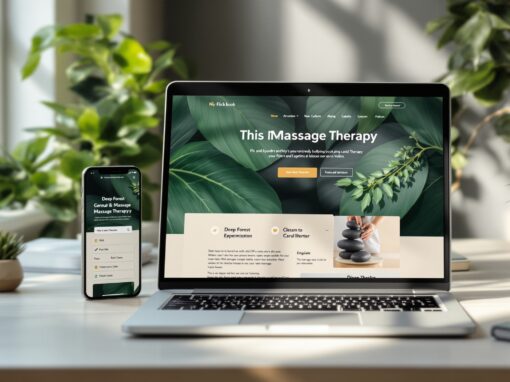
The alternative isn’t going back to pen-and-paper booking. Modern massage therapists can have professional websites with integrated booking systems, automated marketing, and full client relationship management — all while keeping 100% of their profits.
What Independent Looks Like
- Your own professional website that you control
- Integrated online booking without commission fees
- Direct client relationships and contact information
- Automated email marketing and social media
- Gift card and voucher systems
- Complete control over pricing and promotions
The Investment Perspective
Instead of paying £11,000 per year in platform fees, you could invest in:
- Professional website with booking system: £1,200-£2,400 annually
- Email marketing tools: £200-£400 annually
- Social media management: £600-£1,200 annually
- Total: £2,000-£4,000 annually
That’s a saving of £7,000-£9,000 per year. Money that stays in your business instead of funding someone else’s platform.
Making the Transition
Moving away from booking platforms doesn’t have to be all-or-nothing. Many successful therapists use a hybrid approach:
Phase 1: Build Your Foundation
- Set up your own website and booking system
- Start collecting client email addresses
- Create social media presence
Phase 2: Shift the Balance
- Encourage direct bookings with small incentives
- Use platform bookings to convert clients to direct
- Gradually reduce platform dependency
Phase 3: Go Independent
- Maintain platform presence for discovery
- Direct all serious inquiries to your own system
- Keep 100% of profits from repeat clients
The Bottom Line
Free booking platforms aren’t free. They’re expensive loans against your future profits, paid for with commission fees, lost client ownership, and reduced control over your business.
The question isn’t whether you can afford to build your own system. It’s whether you can afford not to.
Every month you delay is another month of commission fees, another month of building someone else’s business instead of your own, another month further from the independent practice you deserve.
Ready to keep 100% of what you earn? Let’s talk about building your independent massage practice with a professional website that works for you, not against you.
—
This content is for educational purposes only and reflects general business considerations for massage therapists. Individual results may vary based on location, services offered, and business practices. Always consult with business and financial advisors for decisions specific to your practice.