
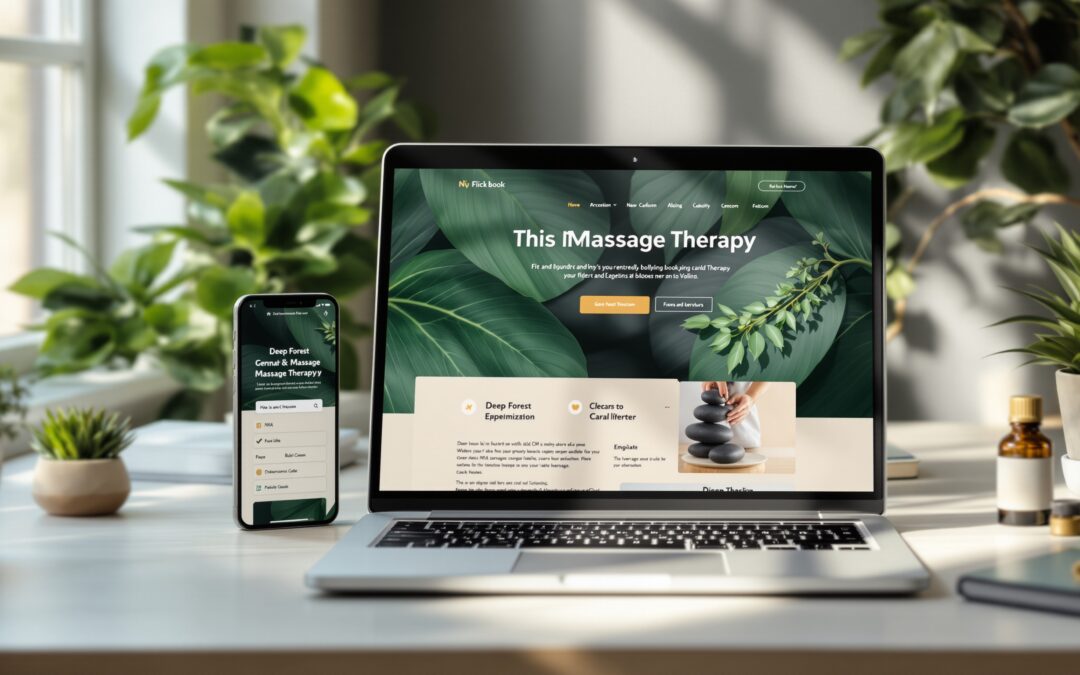
Why Your Massage Practice Needs Its Own Website in 2026
You’ve built a loyal client base. Your hands work magic. But if you’re still relying entirely on Treatwell, Fresha, or Instagram DMs for bookings, you’re missing out on something crucial.
Your independence.
Every successful massage therapist reaches a crossroads: continue renting space in someone else’s digital storefront, or build your own. The therapists who choose the latter? They’re the ones still thriving when platform algorithms change, commission fees rise, or booking sites crash during peak times.
Let’s explore why 2026 is the year to claim your digital independence.
The Hidden Costs of Platform Dependency
Booking platforms seem convenient. Upload a profile, set your rates, wait for clients. But convenience comes with a price tag that extends far beyond commission fees.
Commission Fees Add Up Fast
Most massage booking platforms charge between 10-25% commission per booking. For a therapist earning £50 per session, that’s £5-12.50 going straight to the platform. Over a month with 60 sessions, you could be losing £300-750 to fees alone.
But the real cost isn’t just the percentage. It’s the compound effect over time.
You Don’t Own Your Client Relationships
Here’s what keeps experienced therapists awake at night: when clients book through platforms, the platform owns that relationship. Change your rates? The platform decides how to communicate that. Want to offer a loyalty programme? Only if the platform allows it.
One massage therapist in Manchester discovered this the hard way when her primary booking platform changed its messaging system. Overnight, she lost the ability to send personalised follow-up messages to her regular clients. Six months of relationship-building, gone.
Algorithm Changes Can Kill Your Visibility
Platforms change their algorithms without warning. One day you’re ranking at the top of local searches. The next? Buried on page three because the platform decided to prioritise therapists who pay for premium listings.
Your massage therapist website, however, belongs to you. Google’s algorithms might shift, but you control your content, your SEO strategy, and your client communication.
Building Trust Through Professional Presence
Clients research before they book. They want to know who’s going to be working on their body, what qualifications you hold, and whether you understand their specific needs.
A professional massage website does something booking platforms can’t: it tells your complete story.
Showcase Your Expertise and Credentials
Your website gives you unlimited space to display your qualifications, specialisations, and treatment philosophy. Instead of a cramped platform profile with character limits, you can explain your training in sports massage, your experience with chronic pain clients, or your holistic approach to wellness.
This depth builds confidence. Clients booking through your website often arrive more relaxed because they already feel they know you.
Create Educational Content That Positions You as an Expert
Blog posts about self-care tips, explanations of different massage techniques, or advice for managing workplace tension establish you as more than just another pair of hands. You become a trusted wellness advisor.
One London-based therapist saw her booking inquiries increase by 40% after publishing a series of posts about managing desk-related neck pain. Clients weren’t just booking sessions; they were specifically requesting her expertise.
Control Your Brand Message
Your independent massage practice has a unique personality. Maybe you specialise in creating calm spaces for anxious clients. Perhaps you’re known for your sports massage expertise. Your website lets you communicate this clearly, consistently, and authentically.
Platform profiles force you into generic templates. Your website is your canvas.
The Business Benefits You Can’t Ignore
Higher Profit Margins
Without commission fees eating into every booking, your profit margins improve immediately. That £50 session? You keep the full £50 (minus payment processing fees, which are typically under 3%).
Over a year, this difference can fund equipment upgrades, additional training, or simply provide better financial security.
Flexible Pricing and Package Options
Platforms often restrict how you structure your pricing. Your website gives you complete freedom to offer package deals, seasonal promotions, or sliding scale pricing for specific client groups.
One therapist increased her average booking value by 35% simply by offering clearly explained package deals on her website – something her previous platform wouldn’t accommodate.
Direct Client Communication
Email lists are gold for massage therapists. They let you:
- Send appointment reminders and aftercare advice
- Share wellness tips that keep you top-of-mind
- Announce new services or special offers
- Build long-term relationships beyond individual sessions
Platforms typically don’t share client email addresses. Your website captures them from day one.
Better Analytics and Business Insights
Your website provides detailed analytics about client behaviour. Which services generate the most interest? What content do visitors spend time reading? Where are your clients finding you online?
This data helps you make informed decisions about marketing, service offerings, and business growth strategies.
Addressing Common Concerns
“But I’m Not Tech-Savvy”
The biggest myth about massage therapist websites? That you need technical skills to run one.
Modern website solutions handle the technical aspects automatically. Your job is being an exceptional massage therapist. The website’s job is making you easily bookable online.
Many successful therapists have never touched a line of code. They focus on their craft while their website handles the digital marketing.
“My Clients Find Me Fine Through Platforms”
Platform clients are often price-shoppers, comparing multiple therapists before booking. Website clients have already chosen you specifically. They’ve read your story, understand your approach, and are ready to commit.
The conversion rate from website visitor to booked client is typically much higher than platform browsing to booking.
“I Don’t Have Time for Website Maintenance”
A well-built massage business website requires minimal ongoing maintenance. Automated systems handle bookings, send confirmations, and process payments. Content management tools make updates simple when needed.
The time investment upfront saves hours every week previously spent managing platform communications and dealing with commission calculations.
Making the Transition
Moving from platform dependency to website independence doesn’t happen overnight. Smart therapists take a gradual approach.
Start by setting up your professional massage website while maintaining your platform presence. Test different approaches to client communication and booking management. As you build confidence and see results, you can reduce platform reliance.
Some therapists maintain a minimal platform presence for discovery while directing serious inquiries to their website. Others make a complete transition once their website generates consistent bookings.
The key is having options rather than depending entirely on external platforms.
Your Practice, Your Rules
2026 is the year to stop building someone else’s business and start building your own digital foundation.
Your massage skills deserve a professional platform that showcases your expertise, builds client relationships, and keeps more money in your pocket. Your independent massage practice needs a home that you control, that grows with your business, and that works for you 24/7.
The therapists who thrive long-term aren’t just skilled with their hands. They’re smart about their business foundations.
Ready to explore what a professional website could do for your massage practice? Let’s discuss how to build your digital independence without the technical headaches.